 |
| Third Prize - Vivien Natrass |
 |
| First Prize - Sue Warren |


 |
| Second Prize - Carole McGuire |
|
| Third Prize - Vivien Natrass |
|
| First Prize - Sue Warren |
|
| Second Prize - Carole McGuire |


 |
| Second Prize - Sandy Berry |


 |
| First Prize - Jeremy Ball |


 |
| Third Prize - Jilly Ball |


 |
| First Prize - Sandy Berry |
 |
| Second Prize - Sandy Berry |

 |
| Third Prize - Alan Essex |
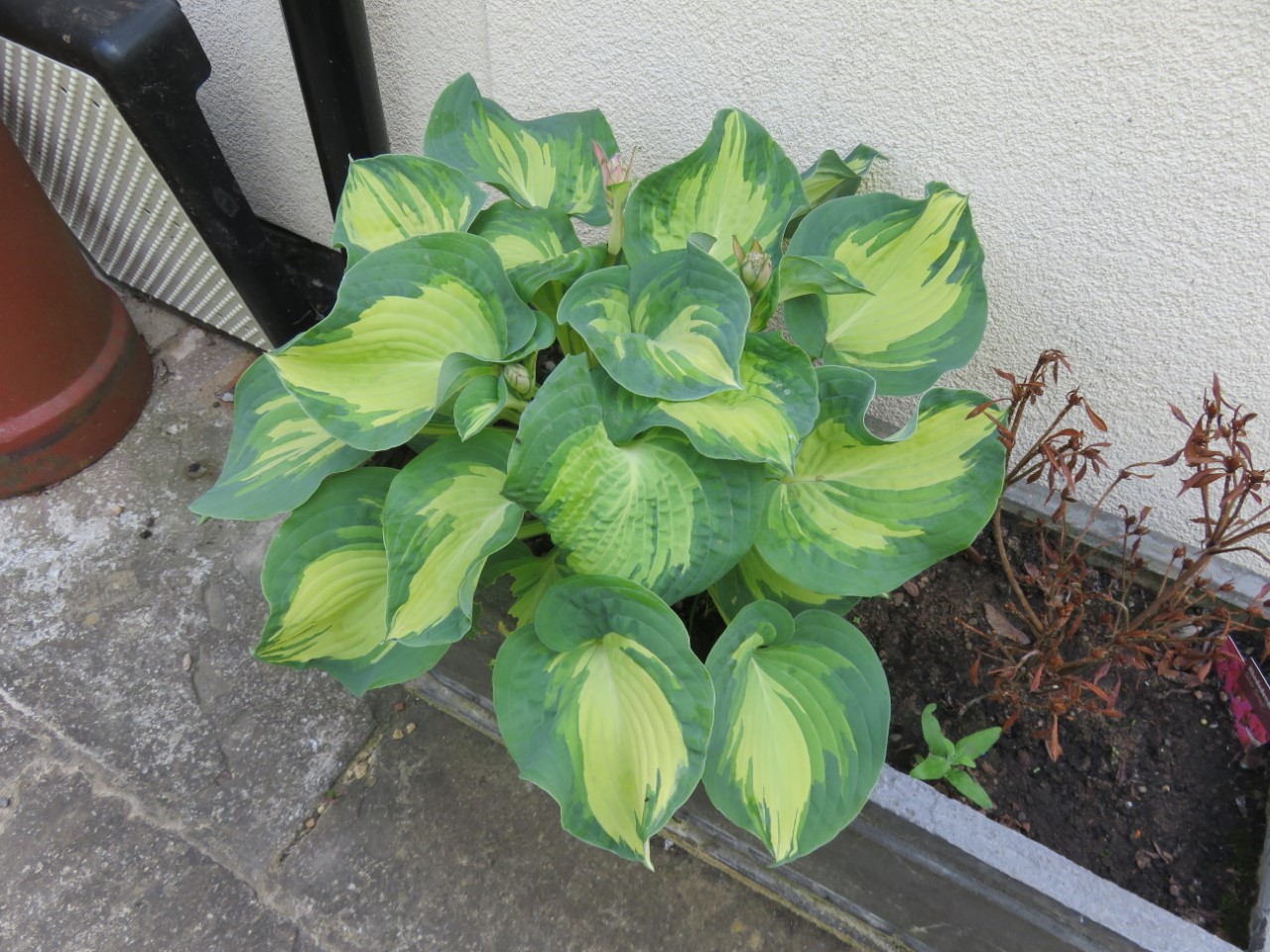
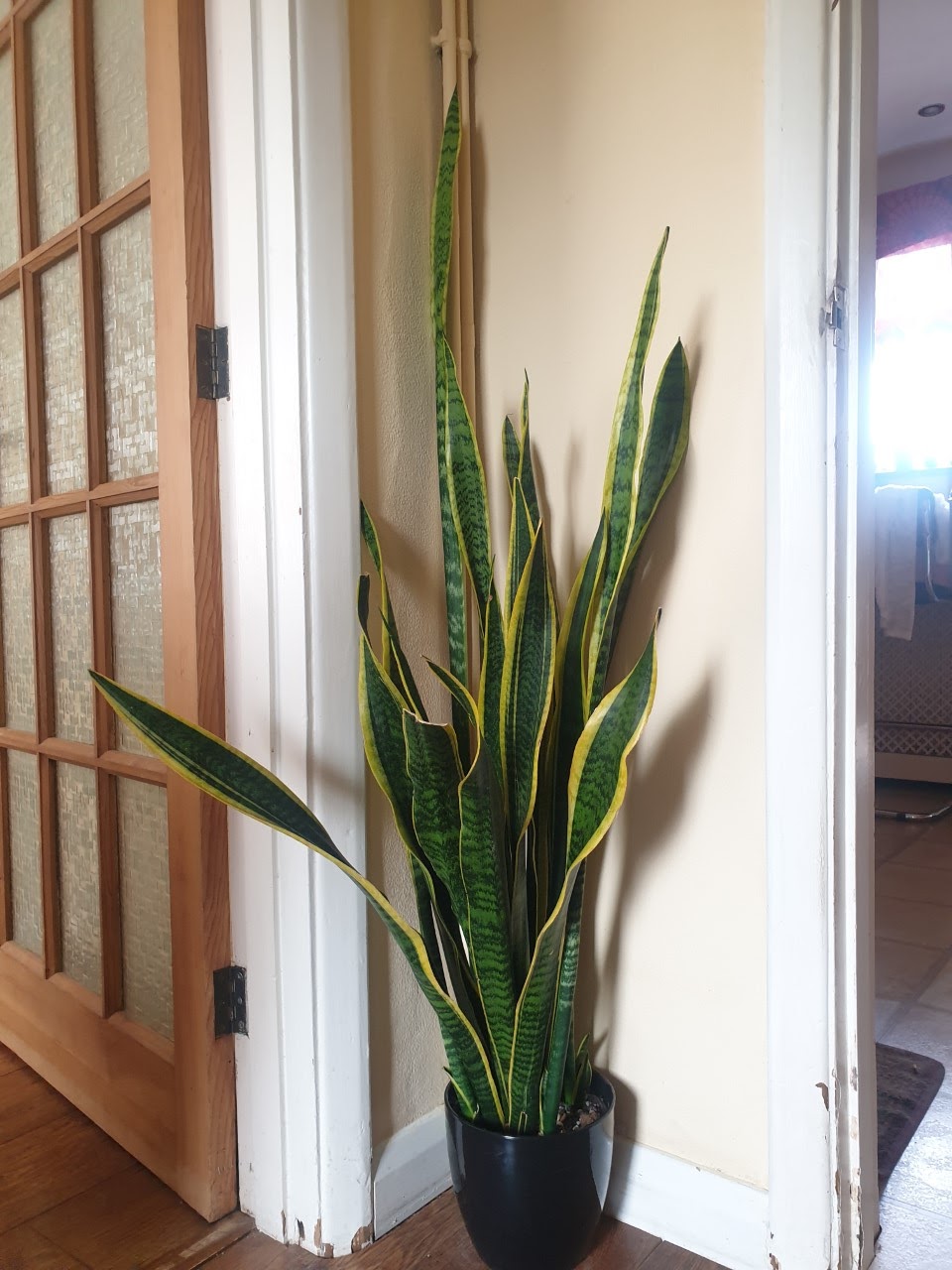


 |
| Second Prize - Sandy Berry |

 |
| First Prize - Carol Marshall |
 |
| Third Prize - Alan Essex |


 |
| First Prize - Sandy Berry |
 |
| Second Prize - Sandy Berry |
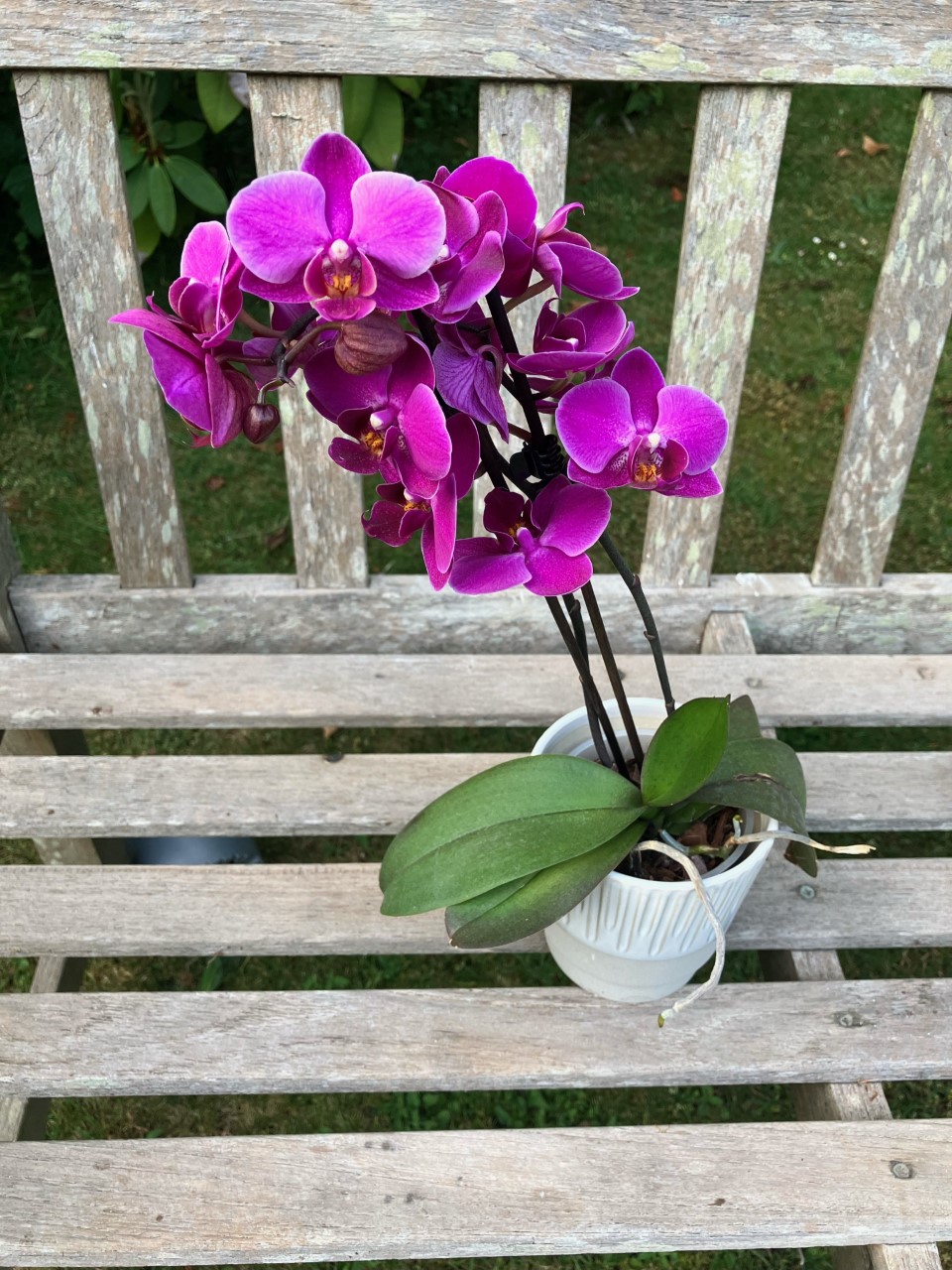 |
| Third Prize - Peggy Gray |

 |
| Third Prize - Carole McGuire |

 |
| Second Prize - Jeremy Ball |
 |
| First Prize - Carol Marshall |

Camellia

·
Prune winter flowering shrubs that have
finished their display
·
Prune Cornus and other winter coloured
stem plants
·
Tidy up herbaceous plants and cut back
(but not Penstemons – eave them for a few more weeks until the weather has
warmed a bit)
·
Once we have had a dry spell and the
ground has dried a bit, make an early start on weeding – it will pay dividends
later
·
Sow chillis and tomatoes now, to give them as long a growing time as
possible
·
Start off onion, garlic and shallot
sets
·
Start general seed sowing
·
Chit potato tubers
·
Although you may already have started
to mow occasionally, now is the time to start removing weeds from lawns and
thinking about preparing them for the Summer ahead.
·
Pot up your Dahlias undercover (not
outside!) and start them into growth before putting them out in May. Think of our show!
Daphne

· Prune apples and pears
·
Prune roses
·
Prune wisterias
·
Sow peppers and chillis
·
Sow sweet peas
·
Buy Dahlias at the Garden Centre to
prepare for September’s show
·
Feed established daffodil bulbs,
especially in containers
·
On a fine day, empty your greenhouse
and clean it out. Wash all the glass,
inside and out
·
Sort out the shed!
